

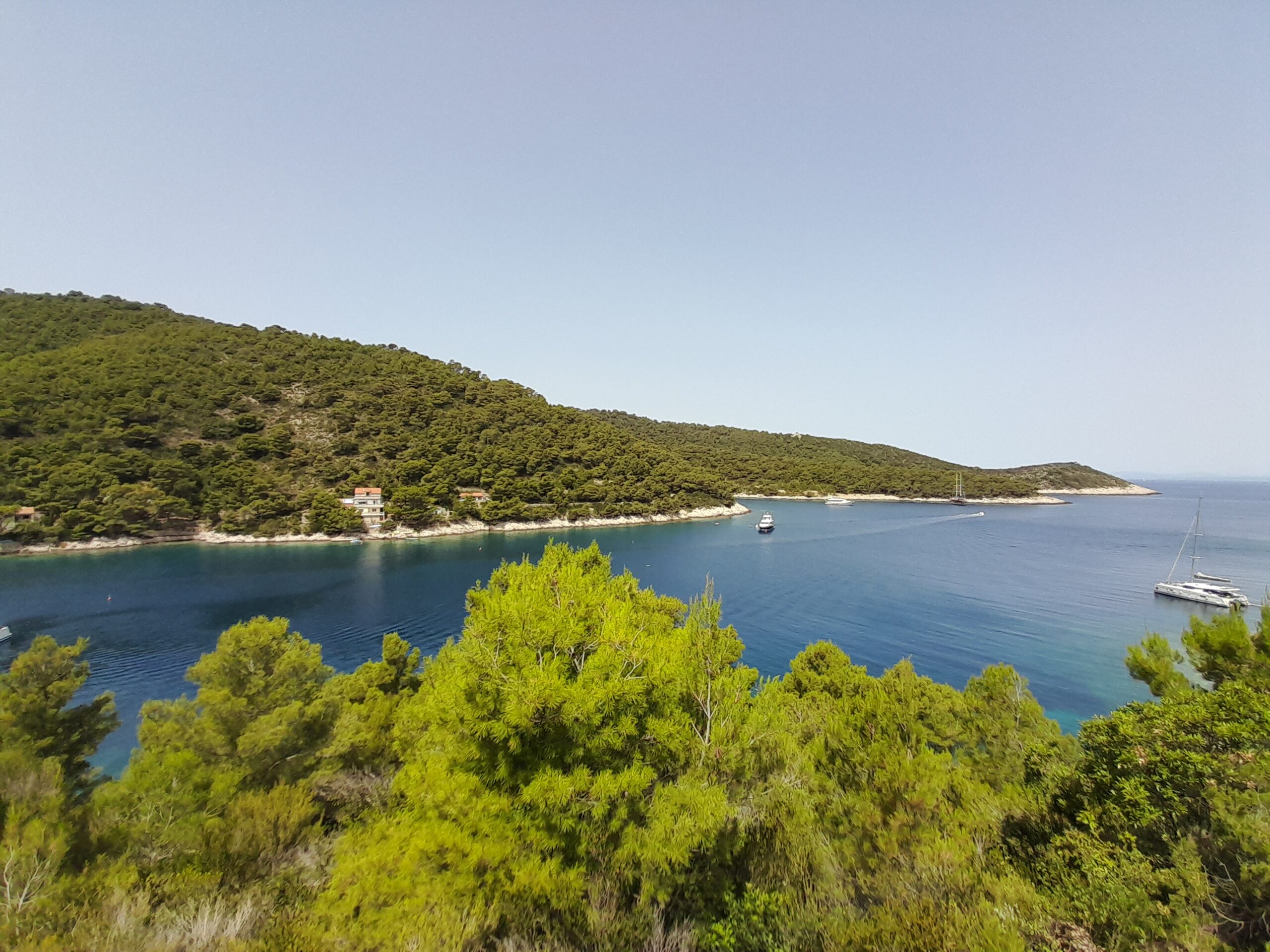
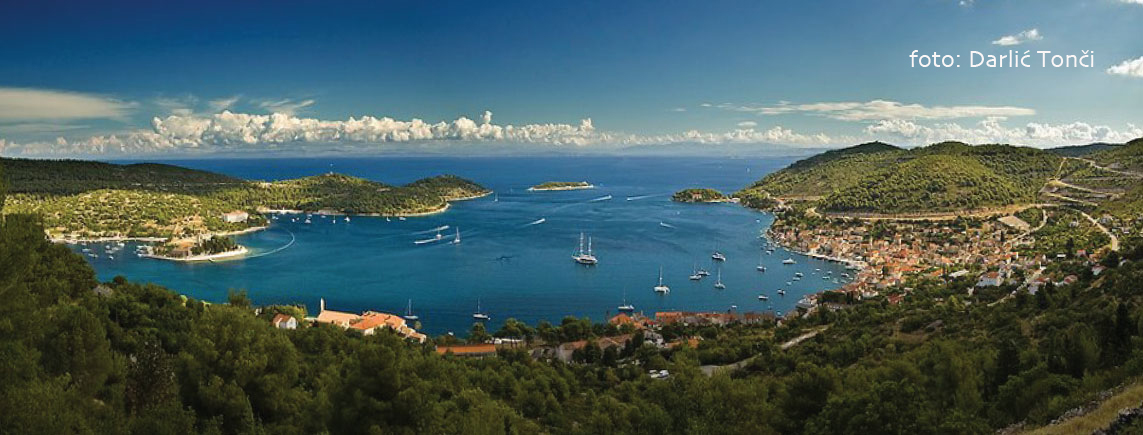
is a small, magical island in the Adriatic Sea and the furthest inhabited island off the Croatian coast. It is one of the earliest settled lands in the region and has attracted people to its shores since ancient times. Perhaps its magic comes from its layered history and ancestral presence, or from its exceptional geographical position and powerful, unspoiled nature. As early as the Younger Stone Age, Vis was a meeting point of maritime routes where people of diverse origins and cultures came together.
At the heart of the island lie fertile fields and an abundance of natural gifts: oranges and lemons, olive trees, figs, vineyards, and aromatic herbs. Mild Mediterranean winters, many sunny days, gentle winds, and a quiet coexistence with birds, hedgehogs, and rich marine life shape everyday life on Vis. These elements have defined the island from ancient times to the present day.
HOW TO COME TO THE ISLAND?
Vis can be reached by direct ferry or speedboat (catamaran) from Split. The ferry crossing takes about 2,5 hours, while the catamaran takes 1,5 hour. If you are traveling with a car, bicycle, or pets, we recommend using the ferry. Please check the maritime operators’ websites for up-to-date schedules.
FERRY – Jadrolinija
SPEEDBOAT – Krilo
Timetables may vary depending on the day of the week, so be sure to check carefully – especially if you have onward travel connections. If you are traveling with a car, booking well in advance is strongly advised.
Once you arrive to the island we will be here to take care of you.



HISTORY IN SHORT
Ancient Issa lives on through the remains of Roman thermal baths and a colosseum from the height of the Roman period. Founded as a Greek polis in the 4th century BC, Issa was an independent city-state with its own currency, active trade routes across the Mediterranean, and several colonies. The island was especially renowned in the ancient world for the quality of its wines. With the collapse of the Roman Empire, Vis entered a period of decline marked by economic hardship, disease, population loss, and barbarian invasions, bringing its ancient chapter to a close.
A new era began in the 7th century with the arrival of Slavic settlers – the Croats. They quickly adopted the maritime skills of the indigenous population, along with knowledge of Mediterranean agriculture. Over the centuries, Vis was ruled by Austro-Hungary, France, Britain, and Italy, witnessing many battles and political changes. In the 20th century, the island became an important military base in socialist Yugoslavia and was closed to foreign visitors. While this slowed tourism development, it also protected Vis from intensive construction and mass tourism. In May 1992, the Yugoslav army left the island, opening a new chapter and fresh opportunities for Vis and its future.